How to Sell Clothes Online in India in 2026 — 7-Step Guide
From picking your fashion niche to setting up UPI payments and marketing on Instagram — here is everything you need to start selling clothes online in India.
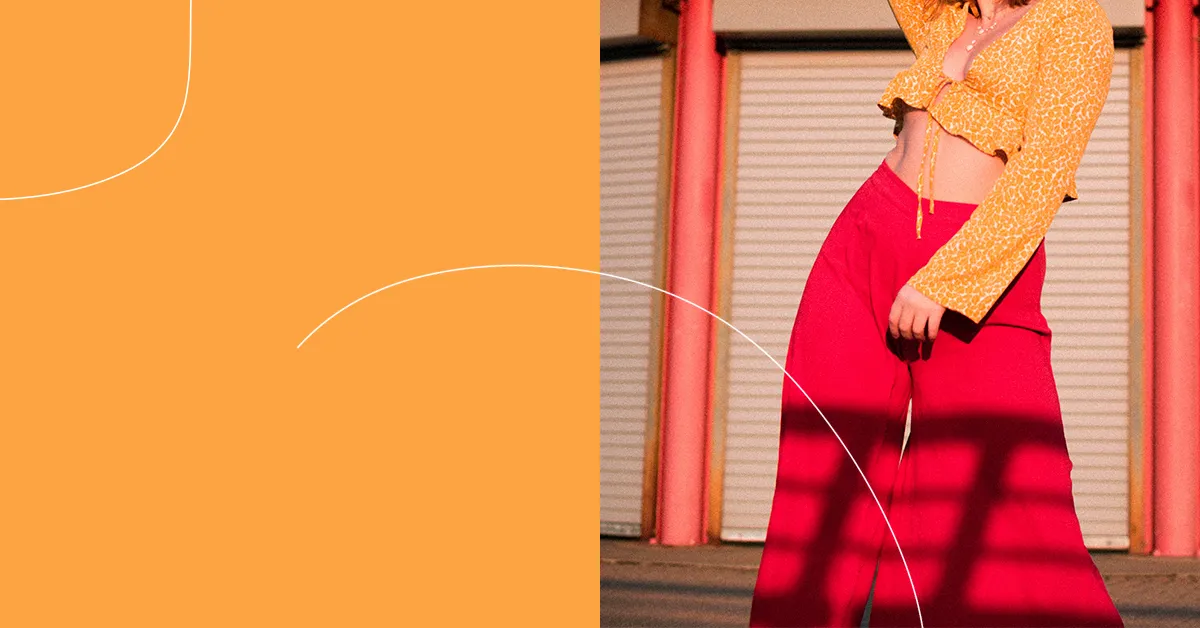
India’s fashion eCommerce market crossed ₹1.5 lakh crore in 2025 and is still growing at 20%+ year-on-year. More importantly for small sellers, a significant portion of that growth is happening outside the big marketplaces — through Instagram pages, WhatsApp catalogs, and independent D2C stores that operate out of someone’s living room.
The economics make sense too. A kurti sourced for ₹180 in Surat can sell for ₹650–₹900 online. That is a 3–5x markup before shipping costs. The margins in fashion are genuinely attractive — if you manage returns well.
This guide covers everything you need to start, from picking your niche to marketing your first collection.
Step 1: Choose Your Clothing Niche
“I sell clothes” is the fastest way to build a store that nobody remembers. The sellers who build strong repeat-buyer businesses are niche-first.
Some niches with genuine online demand in India right now:
- Ethnic wear — Kurtis, sarees, lehengas, salwar suits. The single largest category in Indian fashion eCommerce. Strong seasonal spikes around Navratri, Diwali, Eid, and wedding season.
- Western casuals — Co-ords, oversized tees, cargo trousers. Driven by Gen Z buyers in metros and Tier 1 cities.
- Kids wear — High repeat purchase rate. Parents re-buy every 6–12 months as kids grow. Low competition compared to adult fashion.
- Plus-size fashion — Massively underserved. Most mainstream brands stop at L or XL. Sellers who stock XL–5XL in flattering cuts have built loyal cult followings.
- Sustainable / Handloom — Block print, natural dyes, khadi, Chanderi, Maheshwari. Premium positioning, strong urban buyer segment, excellent for storytelling content.
- Activewear — Gym wear, yoga sets, athleisure. Fast-growing segment with strong repeat purchases.
- Occasion wear — Wedding guest outfits, party wear, festive collections. High AOV (average order value), often ₹1,500–₹5,000 per piece.
Pro Tip 💡 Pick a niche that has personal meaning to you. If you genuinely love block-print fabrics or plus-size fashion, your Instagram content will be authentic — and buyers will feel that. Authentic sellers outsell generic ones every time.
Step 2: Choose Your Business Model
You have four main options, each with different capital requirements and risk profiles:
-
Reselling from wholesale markets — Buy finished pieces in bulk, add your markup, sell under your brand name. Fastest to start, lowest capital risk, most common model for first-time sellers.
-
Own brand / Private label — Source blank garments from a manufacturer, add your own labels and packaging, sell as a branded product. Better margins, stronger brand equity, but requires more upfront investment and MOQ (minimum order quantity) negotiations.
-
Dropshipping — List products from suppliers without buying inventory. Order is placed only when a customer pays you. Lowest risk but thinner margins and less control over quality and shipping times. Meesho’s reseller model is essentially this.
-
Print-on-demand — For custom graphic tees, hoodies, and personalised merchandise. Services like Printful and local Indian POD providers handle printing and fulfillment. Works well for creator-driven brands and communities.
Step 3: Source Your Clothes
Where to Buy in India
Surat, Gujarat — The undisputed capital of readymade apparel wholesale in India. The fabric market alone is massive, but the readymade section is what most online sellers use. You can source kurtis, co-ords, sarees, and casual western wear at ₹80–₹350 per piece with MOQs as low as 6–12 pieces per design. Many Surat wholesalers have active WhatsApp catalogs and will ship to your door.
Sadar Bazaar, Delhi — Best for accessories and garment trimmings, but also a solid source for casual and party wear. The Delhi wholesale belt (Gandhinagar, Gandhi Nagar) is where most North Indian resellers source from. Prices are slightly higher than Surat but lead times are faster if you are based in North India.
Gandhi Nagar, Ahmedabad — One of the largest textile and garment wholesale markets in India. Strong for ethnic wear, fabrics by the meter, and export-quality readymades. If you are sourcing directly to stitch your own pieces, this is a great base.
Local weavers and cooperatives — For handloom, natural dye, or artisan-crafted clothing, going directly to weaving clusters (Pochampally in Telangana, Maheshwar in MP, Kutch in Gujarat) gives you authentic product at better prices than urban intermediaries.
Pro Tip 💡 Join reseller WhatsApp groups in your niche. Surat fabric suppliers, Jaipur block-print workshops, and Delhi garment exporters all have active groups where they post new stock. Search for these on Instagram — most suppliers have their WhatsApp group link in their bio.
Step 4: GST and Compliance
Fashion has a slightly unusual GST structure that catches many new sellers off guard.
The key rule:
- Clothing priced under ₹1,000 per piece — 5% GST
- Clothing priced ₹1,000 and above per piece — 12% GST
This means if you are selling a kurti at ₹999, the GST is 5%. If it is ₹1,000, it jumps to 12%. Many sellers price strategically to stay under the threshold.
HSN Codes for apparel:
- Chapter 61 — Knitted or crocheted clothing
- Chapter 62 — Woven clothing (most readymade garments)
When do you need to register for GST? Only when your annual turnover crosses ₹40 lakh (for intra-state supply of goods). Below that, you can sell without a GSTIN. If you plan to sell on marketplaces like Flipkart or Myntra, they may require GST registration regardless of turnover.
MSME Registration is free and takes 15 minutes at udyamregistration.gov.in. Do it on day one — it opens up collateral-free loans and government schemes that can fund your inventory growth.
Step 5: Product Photography
Fashion is a visual category. Poor photography kills sales before the customer even reads the description.
Flat lay — Clean, consistent, works well for kurtis and tops. Use a white or pastel background, iron the garment beforehand, style with minimal props. Good for catalog-style listings.
On-model — The highest-converting format for clothing. If you cannot afford a model shoot every time, get a friend or family member to wear the pieces. Even an amateur on-model shot outperforms a flat lay for most fashion categories.
Lifestyle shots — Show the garment in a real-world context. A block-print kurta shot at a chai stall or a rooftop terrace tells a story that a studio photo cannot.
Editing tools:
- Snapseed — Free, excellent for brightness, contrast, and color correction on mobile
- InShot — Great for creating Reels and adding text overlays to photos and videos
- Meesho’s built-in editor — If you are also selling on Meesho, their app has a basic photo editor
Pro Tip 💡 Shoot on a consistent background for all products in a collection. This gives your Instagram grid and product pages a cohesive look that signals professionalism. Buyers associate consistent branding with quality.
Step 6: Pricing Strategy
Fashion margins can be excellent — but only if you account for all costs correctly.
The basic formula:
Selling Price = Landed Cost × 2.5 to 3
Landed cost includes:
- Purchase price from supplier
- Transport/freight to your location
- Packaging material (poly bags, tissue paper, thank-you cards)
- Your time cost for sorting, photographing, and listing
The COD return problem: Fashion has the highest COD return rates of any category in Indian eCommerce — typically 15–25%. Every COD return costs you:
- Two-way shipping (₹80–₹160 gone)
- Packaging material wasted
- Product may need inspection before relisting
Ways to reduce COD returns:
- Publish a detailed size guide with measurements (not just S/M/L)
- Add a video showing the garment from all angles
- Offer a small prepaid discount (₹30–50 off for UPI payment)
- WhatsApp the customer after order placement to confirm size
Step 7: Launch and Market
Instagram Reels
Instagram is the single best organic channel for Indian fashion sellers. Short-form video drives discovery faster than any other format.
What works right now:
- Try-on hauls — “I spent ₹2,000 at Surat wholesale — here’s what I got” outperforms every polished studio video.
- Styling videos — “5 ways to style this one kurta” — these get saved and shared.
- Before/after packing reels — Show the full experience: product to packed parcel to happy customer unboxing. Builds trust.
- Price reveal videos — Show the garment, build suspense, then reveal the price. High engagement format.
WhatsApp Status and Broadcasts
Post new arrivals on your WhatsApp Status every day. Your existing customers are watching, and this is free. Build a broadcast list — every customer who places an order should be added (with consent). A simple “Hey! New collection just arrived — want a preview?” message to your broadcast list routinely drives same-day orders.
Size Guide
Create a size guide once and link to it from every product page and your Instagram bio. Nothing kills repeat purchases faster than a wrong-size order. Include bust, waist, hip measurements in centimeters, not just S/M/L labels, which vary wildly between brands.
Often overlooked by Indian sellers but genuinely powerful for ethnic wear. Boards like “Navratri outfit ideas,” “block print kurta styling,” and “wedding guest outfits India” drive evergreen search traffic. Pin your product images with a link back to your store.
FAQs
How do I handle size-related returns? Prevention is better than cure. A detailed size chart (with tape-measure guidance), a video of the garment on a model with mentioned height and weight, and a pre-dispatch WhatsApp confirmation reduce size returns dramatically. For unavoidable returns, offer an exchange rather than a refund — it keeps the revenue in the business.
Can I dropship clothes in India? Yes. Meesho, GlowRoad, and several Surat-based suppliers offer no-MOQ dropshipping for resellers. Margins are thinner (15–25%), but it is a real way to test demand without holding stock. Many successful clothing brands started as resellers and built their own private label once they understood which styles their audience loved.
What is a good starting budget? You can start with ₹10,000–₹15,000: ₹6,000–₹8,000 for an initial inventory of 30–40 pieces from a wholesale market, ₹1,500 for basic photography setup (background paper, ring light), and ₹2,000–₹3,000 for packaging material. The rest goes into your first month of Instagram content.
Fashion eCommerce in India is crowded, yes. But the sellers who win are the ones who know their buyer, source smartly, present products beautifully, and build genuine relationships on WhatsApp and Instagram.
The market is big enough for thousands of niche brands to thrive. The question is just whether yours is one of them.
Join the Commert waitlist and get your clothing store live — no code, no developer, built for Indian sellers.

Geetesh is the founder of Commert. He is a full stack engineer with 6+ years of experience building production systems for Fintech, Healthcare, SaaS, and eCommerce companies. He is also an open source contributor and maintainer of reacty-form and prisma-to-drizzle-transformer.
Liked that? Check these out:
Geetesh Laddha | 02.2026
Geetesh Laddha | 02.2026
Geetesh Laddha | 03.2026