How to Sell Furniture Online in India (2026) — Step-by-Step
A practical guide to selling furniture online in India — from choosing a niche and sourcing from local craftsmen to managing heavyweight shipping and getting your first order.
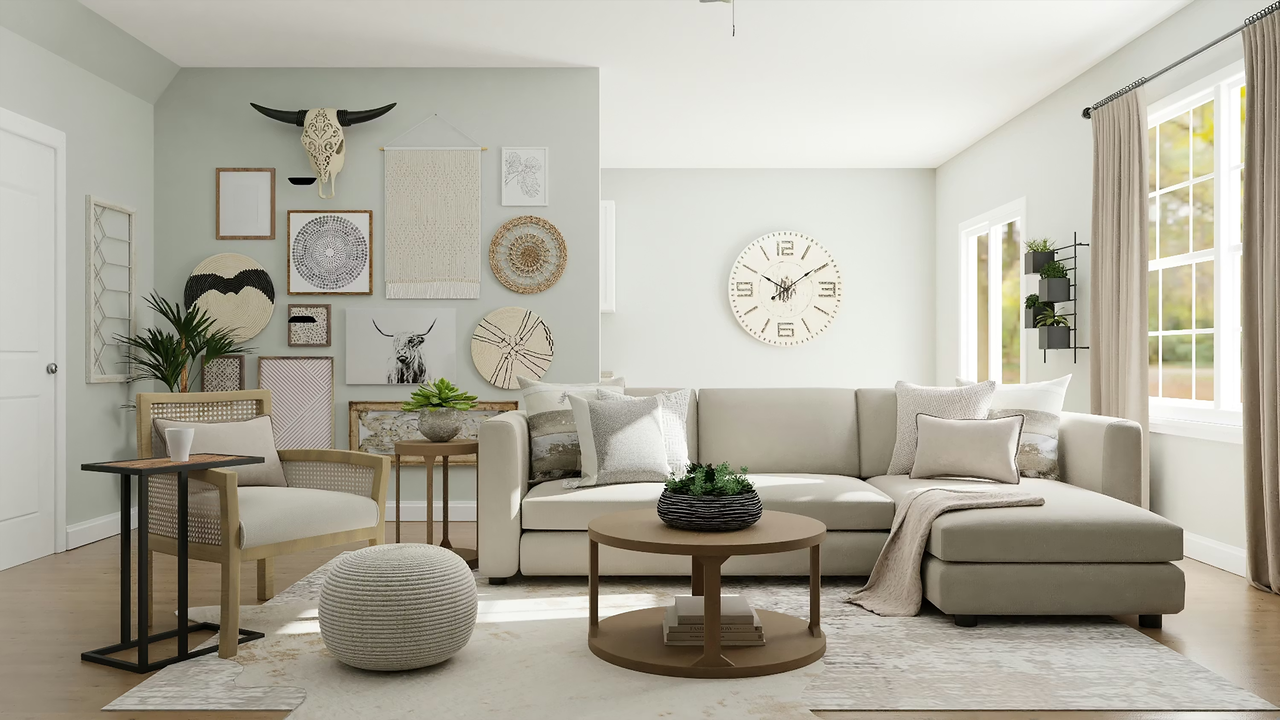
India’s furniture market is worth over ₹2.5 lakh crore, and the online slice of it is growing faster than the overall market. The drivers are obvious: urban millennials moving into their first apartments, the work-from-home shift creating demand for proper home offices, and a growing segment of buyers willing to pay for design-forward furniture they cannot find at their local store.
What is less obvious is that this is a category with very low quality online competition in the mid-market segment. Pepperfry and Urban Ladder have the top end covered. Flipkart and Amazon have the budget end. The gap — well-made, design-conscious furniture at ₹5,000–₹25,000 — is wide open for sellers who can source smartly and present their products well.
The challenges are real: shipping is expensive, returns are painful, and bad logistics can destroy a sale. But sellers who crack the operational side build defensible businesses with strong repeat rates (furniture buyers often return for more pieces once they trust a brand).
Here is how to do it.
Step 1: Choose Your Furniture Niche
Furniture is too broad. “Furniture” means everything from a ₹800 plastic stool to a ₹2 lakh custom sofa. You need to be specific — both for sourcing and for marketing.
Niches with strong online demand in India right now:
- Modular furniture for urban apartments — Compact, multi-functional pieces for 1BHK and 2BHK apartments. Foldable dining tables, wall-mounted shelves, sofa-cum-beds. High demand in metros and Tier 1 cities.
- Handmade / artisan wood furniture — Sheesham (Indian rosewood), mango wood, and teak pieces crafted by local carpenters. Strong positioning for buyers who want something authentic over flat-pack MDF. Jodhpur is the sourcing heartland.
- Office / WFH furniture — Ergonomic chairs, standing desks, monitor stands, cable management setups. The WFH category spiked in 2020 and has never fully retreated.
- Kids furniture — Study tables, bunk beds, storage units. High repeat purchase rate as families redecorate rooms for growing children. Safety certifications matter here.
- Vintage / upcycled furniture — Restored antiques, reclaimed wood pieces. Small but premium market. Very strong Instagram audience among urban buyers aged 28–40.
- Rental furniture — Serving corporate relocations, PG tenants, and young professionals who move cities frequently. Business model is different but addressable online.
Pro Tip 💡 Modular and WFH furniture have the best combination of demand volume and repeat purchase potential. If you are starting out, one of these two niches will teach you the market fastest.
Step 2: Choose Your Business Model
Self-manufacture with a local carpenter network You design (or curate designs), a network of local carpenters builds, and you sell under your brand. High control over quality and customisation. This is how most successful mid-market furniture D2C brands in India operate. Your primary job becomes design, marketing, and customer management.
Reselling / curating from manufacturers Buy finished pieces from furniture factories or wholesale hubs, apply your brand’s packaging and presentation, resell at a markup. Lower effort, but you depend entirely on supplier quality and MOQ flexibility. Works well if you find a manufacturer willing to private-label.
Custom order business Take custom orders (dimensions, finish, material) from buyers and manufacture to spec. Higher margins, no inventory risk, but longer lead times (typically 3–6 weeks per piece). Works extremely well for buyers who have specific size requirements — very common in Indian homes with non-standard room dimensions.
Rental model Requires significant working capital for inventory, but the unit economics can be strong over time. Popular in Bengaluru, Hyderabad, and Pune for corporate and young professional segments.
Step 3: Source Your Furniture
Sourcing Hubs Across India
Jodhpur, Rajasthan — India’s furniture export capital. Over 2,000 workshops producing sheesham, mango wood, and carved wood furniture. The quality ranges from mass-produced to genuine artisanal work. If you want export-quality carved wood furniture (the kind that sells for 4x the price in Western markets), Jodhpur artisans can produce it at a fraction of that cost. Many workshops here do direct B2B sales and will create custom sizes and finishes.
Rajkot, Gujarat — A major hub for modular and stainless steel furniture manufacturing. Strong for office furniture and functional home pieces. Several Rajkot manufacturers supply to large furniture retailers nationwide.
Erode, Tamil Nadu — One of South India’s key furniture manufacturing belts. Known for wooden furniture and the raw material supply chain. Good for sourcing in South India without long freight runs from Rajasthan.
Jaipur, Rajasthan — Known for painted furniture (sheesham with hand-painted designs), cabinetry, and decorative pieces. The Jaipur aesthetic — bright colors, traditional motifs — has a very strong buyer segment among urban buyers looking for character over minimalism.
Local carpenters — Do not underestimate this. Most cities have carpenter clusters in industrial areas or near timber markets. Building a relationship with 2–3 reliable carpenters gives you flexibility, speed, and margin that no large manufacturer can match. WhatsApp is how most small carpenter networks communicate and take orders.
Pro Tip 💡 Always visit a manufacturer or workshop before placing a bulk order. Photos lie. Furniture quality issues — uneven joints, poor finishing, wrong wood density — only become visible in person. A day trip to Jodhpur or Rajkot before committing to a supplier will save you multiple painful customer complaints.
Step 4: The Photography Challenge
Furniture is harder to photograph than almost any other product category. A dining table shot poorly looks like every other dining table. Shot well, it becomes a lifestyle aspiration.
Room staging shots — The gold standard. Stage the piece in a styled room context: a dining table with place settings, a bookshelf with curated books and plants, a study desk with a laptop and a cup of chai. Buyers are not just buying furniture — they are buying a version of their home they want to live in.
Multiple angles — Show the front, side, back, and overhead (for tables and storage). Buyers want to understand the three-dimensional form before they commit.
The dimensions photo — This is often skipped but critically important. A flat photo of a coffee table tells a buyer nothing about whether it fits in their space. A photo with a tape measure against the piece, or a person standing next to it for scale, or a graphic overlay showing exact dimensions, dramatically reduces the “will it fit?” anxiety that kills purchases.
Lifestyle context photos — Show the piece in a real home if possible. Reach out to early customers and ask if you can photograph the piece in their space in exchange for a discount on their next order. User-context photos are more trusted than studio shots by most buyers.
Close-up detail shots — Show the grain of the wood, the hardware, the joint construction. Buyers who care about quality want to see these details. They are also signals that you are not hiding anything.
Step 5: Solve the Shipping Problem First
Shipping is where furniture businesses die if they do not plan carefully.
The core problem: furniture is heavy, bulky, and fragile. Standard courier services are not designed for it. A 20 kg wooden coffee table shipped incorrectly arrives as broken kindling.
Your logistics options:
-
Porter (local delivery) — For deliveries within the same city or within 100–200 km, Porter is excellent. Lower cost, direct delivery, driver can assist with placement. Ideal if you are starting with local delivery before going pan-India.
-
XpressBees (heavy goods) — Handles overweight and oversized shipments. Has a “surface heavy” service specifically for furniture and appliances. Better rates than Shiprocket for pieces over 10 kg.
-
Shiprocket — Aggregates multiple couriers and handles the paperwork. Not always the best rate for heavy items, but the dashboard and COD reconciliation are very seller-friendly. Use it for smaller furniture accessories and pieces under 10 kg.
-
Direct courier tie-ups — Once you reach 20–30 shipments per month, negotiate directly with Delhivery or Blue Dart for custom heavy-goods rates. You will save 20–30% over aggregator pricing.
Packaging is everything. For wooden furniture: corner foam protectors, bubble wrap on all edges, shrink wrap over the full piece, and a hard cardboard or wooden crate for pieces above ₹5,000. Do not cut corners here — one badly packed expensive item can cost you ₹2,000–₹5,000 in return and replacement logistics.
Charge for shipping separately and transparently. Hiding shipping costs in product pricing is a trust destroyer when buyers compare. Show the shipping charge clearly at checkout. Most buyers understand that a 15 kg wooden shelf costs ₹300–₹500 to ship. Transparency builds trust.
Use OTP delivery. Instruct your logistics partner to require OTP confirmation at delivery. This prevents “not delivered” fraud claims — a real issue in COD furniture orders.
Pro Tip 💡 For furniture deliveries, call the customer 24 hours before delivery to confirm the address and ensure someone is home. Missed deliveries on heavy items are expensive. This one call reduces failed delivery rate by 50–60%.
Step 6: Build Product Pages That Sell
Furniture buyers do more research before purchasing than almost any other category. Your product page needs to answer every question before they ask it.
Non-negotiable elements on every furniture product page:
- Exact dimensions — Length × Width × Height in centimeters and inches. Include diagonal measurements for pieces that need to fit through doorways.
- Material and grade — “Sheesham wood” is better than “solid wood.” “Grade A sheesham with teak oil finish” is better than both.
- Weight — Buyers need to know if they can move it themselves.
- Assembly required: Yes / No — If yes, estimate time and tools needed.
- Care instructions — “Wipe with dry cloth, avoid direct sunlight, oil once every 6 months.”
- Lead time — If made to order, state clearly: “Ships in 12–15 working days.”
- Warranty — Even a 6-month warranty against manufacturing defects builds significant trust.
Build your product pages with Commert — the platform is designed for detailed product listings with multiple images, variant management (size/finish/color), and clean mobile layouts that convert Indian buyers.
Step 7: Marketing — Where Furniture Buyers in India Spend Time
Instagram and Pinterest
Furniture is a visual category and both platforms reward it.
Instagram: Post room styling photos, before-and-after transformations, craftsmen-at-work content, and customer home setups. Reels showing the “build process” — from raw wood to finished piece — consistently get high engagement. People love watching things being made.
Pinterest: Underused by Indian furniture sellers but genuinely powerful. Boards like “Small apartment furniture ideas India,” “Sheesham wood furniture designs,” and “Home office setup ideas India” attract buyers early in the research phase. Pinterest content has a long shelf life — a pin you post today can drive traffic 18 months from now.
WhatsApp for Local Buyers
If you are selling within your city or region, WhatsApp is often your most direct sales channel. Share new pieces on your Status daily. For custom-order businesses, WhatsApp is where the entire conversation — dimensions, materials, price negotiation, timeline confirmation — happens naturally. Build your WhatsApp contact list from every inquiry, not just every purchase.
Google My Business
Set up a Google My Business listing even if you do not have a physical showroom. List your city, your product categories, and your WhatsApp number. Buyers searching “sheesham dining table Delhi” or “custom wooden furniture Pune” will find you. Reviews on Google are trust signals that convert fence-sitters.
Justdial and IndiaMart
Both have high-intent B2B and B2C buyer traffic. A free listing on Justdial in your city, optimised with photos and accurate categories, generates real inquiries. For B2B (offices, hotels, restaurants), an IndiaMart profile can open up bulk order conversations.
FAQs
How do I handle damage in transit? Prevention first — invest in proper packaging. For unavoidable damage, set a clear policy: photograph the damage immediately on delivery, report within 24 hours, and you will either replace or repair at your cost. Offer this policy prominently on your store. Buyers who trust your after-sales process will buy expensive pieces they would otherwise hesitate on.
Should I offer COD for furniture? For pieces under ₹3,000, COD is manageable. For higher-value pieces, require at least a 30–50% advance to confirm the order (especially for custom orders), with the balance on delivery. This filters out non-serious buyers and protects you from costly return logistics. You can offer UPI advance via a payment link sent over WhatsApp — most buyers are comfortable with this once you have built some trust through reviews or referrals.
How do I manage returns for bulky items? This is the toughest problem in furniture eCommerce. The industry standard is to reduce returns through excellent pre-purchase communication (exact dimensions, video walkthroughs) rather than making returns easy. For genuine defects, offer on-site repair first, replacement second. A lenient return policy on bulky furniture will bankrupt a small seller quickly.
Furniture eCommerce in India is genuinely hard — but that difficulty is the moat. Most sellers give up after the first logistics headache. The ones who build systems around packaging, delivery communication, and detailed product pages create businesses that compound over time.
Your local carpenter network, your Jodhpur supplier relationship, and your ability to stage and photograph pieces well are advantages that no large platform can replicate at your price point.
Start local, nail the operations, then scale the marketing.
Join the Commert waitlist and build your furniture store — designed for the complexity that Indian D2C selling actually requires.

Geetesh is the founder of Commert. He is a full stack engineer with 6+ years of experience building production systems for Fintech, Healthcare, SaaS, and eCommerce companies. He is also an open source contributor and maintainer of reacty-form and prisma-to-drizzle-transformer.
Liked that? Check these out:

Geetesh Laddha | 02.2026

Geetesh Laddha | 02.2026
Geetesh Laddha | 02.2026